

Cloud gaming is a way of playing video games that lets you stream titles directly to your device, rather than downloading or installing them. The game runs on a remote server, and the video output travels over the internet to your screen. Think of it as watching a movie on a streaming platform, but with interactive controls.
Why UK Players Are Turning to the Cloud
In the last two years, the average UK household has added a second screen to its living room. With 70 % of households owning a smart TV, the temptation to play games on that same device is strong. Cloud gaming removes the need for a high‑end PC or console, which can cost £1,200 or more. For a monthly subscription of £10–£15, you get instant access to a library of 200+ titles.
Latency is a key concern. UK players report that a wired Ethernet connection keeps ping under 30 ms for most games, while Wi‑Fi can push it to 60 ms. That difference is noticeable in fast‑paced shooters but negligible in narrative adventures.
How the Technology Works
Each game runs on a powerful server farm. Your controller or keyboard sends input commands to the server; the server renders the frame, compresses it, and streams it back. The compression algorithm used by most services is H.264, which balances quality and bandwidth. A 1080p stream at 60 fps typically needs 15–20 Mbps on a good connection.
Because the server does all the heavy lifting, you can play on a tablet, a phone, or even a smart TV. The only requirement is a stable internet link and a compatible input device.
What You Can Expect From a Subscription Service
- Library size: 200–300 games, ranging from indie titles to AAA blockbusters.
- Platform support: Windows, macOS, Android, iOS, and most smart TVs.
- Price tiers: Basic (£10/month) offers 1080p; Premium (£15/month) adds 4K and higher frame rates.
- Trial period: 7 days, no credit card needed.
One drawback is that you cannot download games for offline play. If your internet drops for a few minutes, you lose access to the library until the connection restores.
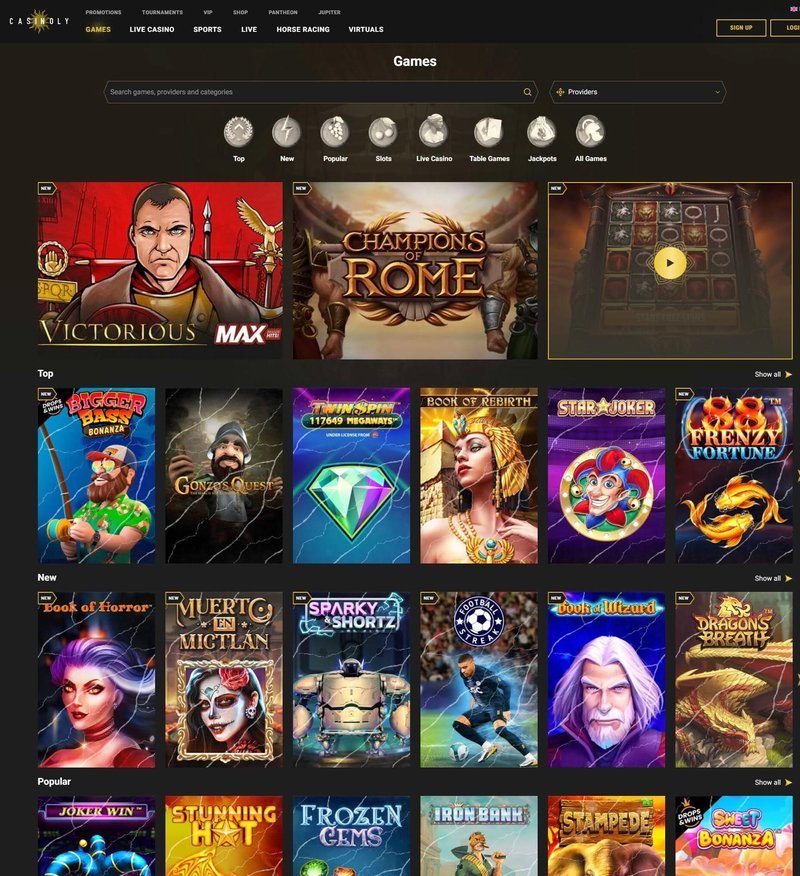
How Cloud Gaming Fits Into Broader Entertainment Trends
The rise of streaming services for movies and music has reshaped how we consume media. Cloud gaming is the next logical step, offering instant access to interactive content. In the same way that Netflix changed TV, cloud platforms are changing how we play.
For those who enjoy both gaming and online entertainment, the transition is seamless. A single subscription can cover both video streaming and gaming, reducing the number of accounts you need to manage.
In fact, many players now use the same device for watching a new episode of their favourite series and then jumping into a multiplayer match. The convenience is undeniable.
https://www.https://www.crparrott.co.uk provides a curated list of gaming titles that work best on cloud platforms, helping you choose the right games for your setup.
What About the Future?
Network infrastructure is improving. 5G rollout in the UK promises lower latency and higher bandwidth, which will make cloud gaming more reliable on mobile devices. Meanwhile, developers are creating games specifically for the cloud, optimising assets for streaming rather than local rendering.
However, the model still relies on a steady power supply and a robust internet connection. Power outages or service interruptions can halt gameplay abruptly, which is a risk not present with local installations.
Bottom Line
Cloud gaming offers UK players a low‑cost, high‑flexibility way to access a wide range of games. The main trade‑off is dependence on internet quality and the inability to play offline. For most casual gamers, the convenience outweighs the limitations. If you’re ready to try it, start with a free trial and see how the experience fits into your daily routine.
Frequently Asked Questions
What is cloud gaming?
Cloud gaming streams games from remote servers to your device, eliminating local downloads.
Do I need a powerful console or PC?
No, you only need a device with a stable internet connection; the heavy lifting happens on the server.